Create & Maintain a Budget
The first step to preventing the problems of financial debt is to establish and manage a budget. Don’t worry, it’s not as terrifying as it sounds.
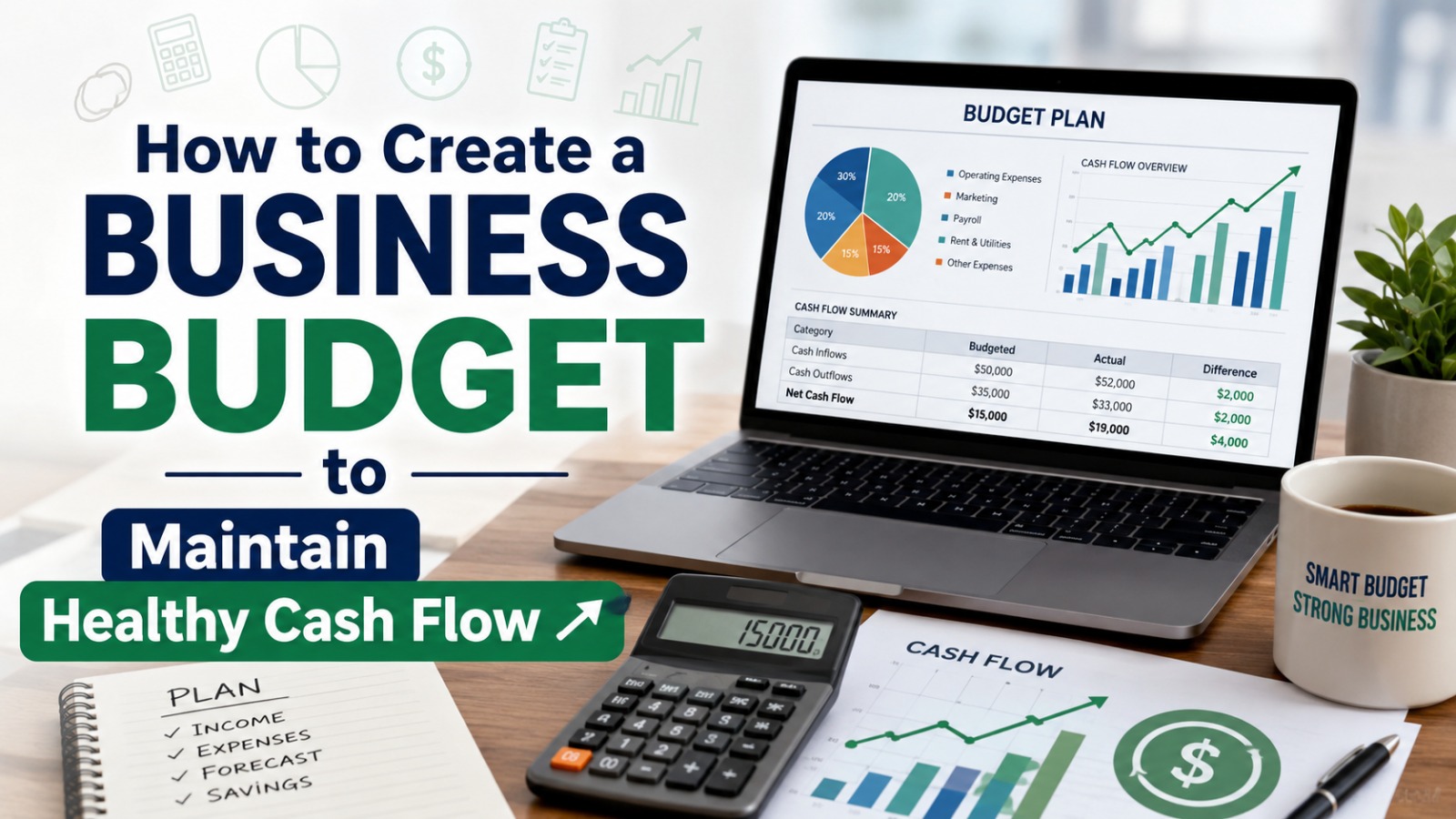
Firstly, make a list of all your monthly revenue and a list of your monthly spending. List all sources of income including alimony, child support, side jobs, etc. Make sure to include your spending for accommodation, food, transportation, utilities, entertainment etc. Make careful to keep receipts and at the end of each day sit down and write down spending so you can have an accurate reflection of actual expenses. If you're making enough money to pay for all your expenses. If the answer is no, then certain expenses must be slashed.
Change expenditures. If it is a tiny disparity it may imply cutting back on some small expenses like entertainment or cell phone plan. If the gap is greater, you might need to downgrade your car or housing arrangements. Even if you are earning enough to pay your bills, you might wish to reduce the excess fat in your spending habits. This can free up extra money for things like vacations or college funding for your children.
Think about whether new categories need to be created. Some areas that are commonly forgotten are debt reduction, emergency savings reserves and retirement savings. An emergency fund means you have enough on hand to cover any unanticipated events (auto emergency etc) should they occur. This will eliminate the need to use credit which might hurt your budget quickly.
There are a couple of advantages to keeping to your budget. First of all, most people have financial objectives in mind which they would want to accomplish in the future. Sometimes it may be a trip, a brand new car or a college education. A budget can be a tool to help you save money to make these ambitions a reality. Many others are also crushed under excessive consumer debt. It’s almost impossible to make much headway in paying down debt without a disciplined habit of spending. A personal budget will provide you the framework you need to start bringing those inflated account balances down.
A budget, if done correctly, will allow a person to pay all of their bills, save money and pay off debt at the same time. Therefore, it is in everyone’s best interest to design and implement a budget.
Cut Spending
Cutting back on spending and sticking to a budget could be challenging at first, but there are a few practical changes you can make every day that will reduce your expenditure more than you think.
Change credit car behavior first. Whenever possible, try to use cash. This will help you not to buy something you don’t actually have the money for. If you decide to buy something on credit, you need to be ready and able to pay off the balance every month. This will save a lot of money by not paying interest. Transfer your debt to a low-interest credit card if you already have a balance on a credit card. Also, look for a card with no annual fee.
Another tip is to bring your lunch every day. All those hours at restaurants for lunch will add up. You can save yourself several dollars a day by bringing your own lunch. It will add up over time.
Use your cell phone during off-peak hours. Some folks will pay a few hundred bucks a month for phone service. To avoid this, try to make most calls at off peak periods. Phone your provider and see when you can get lower or unlimited calls.
Before you throw out the Sunday paper, look through the advertisements. Clip some of those coupons and see what's on offer. It may seem laborious but the savings are typically worth it. Many retailers will double or treble the value of your coupons. This method might save you as much as 20 or 30 dollars each time you go to the food shop.
And, refinance. Mortgage rates have been quite low the past year. This has been a terrific opportunity to really cut the monthly house payment. If you are hoping to pay off your house before retirement, then you might want to factor this in before refinancing.
Lastly, combine your insurance. Many insurance providers may give you a better deal if you buy more than one policy. Some people will use the same agency for several cars while others will mix their cars and house for example. Just remember that a dollar here and a dollar there truly does add up. Don’t fall into the trap of believing that changing your spending pattern won’t really save that much money.
Begin Saving!
So you’re sitting on a pile of bills to pay each month and are wondering how you may start a savings account for emergencies and other high-expense activities. Where do you come up with this additional cash to stash away for the future?
1. When you create your budget, prepare for your savings first. If you pay yourself first, you’ll get richer with each month. Before paying any expenses, establish on a fixed amount that you will pay yourself first, maybe five or ten percent or whatever you select of your income. Then put the sum into a savings account before paying any bills.
If you do this at the start of the month, you won't have your entire paycheck slipping through your fingers. Wait till the end of the month and you may have nothing to save. Paying yourself first will give you a methodical technique to develop your money. No matter what your job is and no matter what your income level, this strategy will work if you work it.
Another money-saving method you might try is to empty your extra change into a coffee can or jar each day. End of the month, roll the coins and deposit into your savings account. You can save $30 or $40 a month merely by using the change you have lying around.
Good money management is more than just a quantitative calculation. It’s far too involved with the peaks and valleys of existence to be simply that. Your living circumstances might constantly change, and so can your approach to managing your money. A solid budget is meant to make your money go further to help you achieve your goals—not to make you follow rules.
If the financial plan isn't flawless right away, don't be discouraged. You may need to do some modifying and editing to match your needs. Then make sure to look at it often and make sure that it is using every penny in the greatest way! Those spare pennies may be quite beneficial as we know !!! !
Avoid Spending Traps!
There are so many benefits to personal budgeting, it's no wonder more and more individuals are relying on it to lower their debt and boost their savings. But all ‘budgeters’ must be careful to avoid some typical mistakes that occur often.
Though credit cards may appear like little bits of plastic, they can bring many problems for owners. People tend to make foolish purchases that they would have otherwise avoided because they had the credit card in their wallet. For many people, the best answer is to just get rid of credit cards and start paying entirely with cash, check or debit cards. You might want to have a card for emergencies, but it's probably best to keep it out of reach, and far away from your wallet.
Another problem with budgeting is the lack of patience. People have financial objectives, but they don’t have the patience to complete a savings program. For example, someone saves up for a new car, but after a few months finds the car of their dreams. They buy, without delay. This could lead to some real financial pain. Discipline is key to avoid impatience ruining your budget.
When you set up a budget, you generally don’t change it when you need to. You take a list of expenses and revenue and then modify it . This is a budget . So these numbers do fluctuate and it is crucial that the budget updates to reflect the revisions. Failure to do so properly and quickly can lead to some serious deficits.
Of course, no one forgets Christmas or Hanukkah, but many individuals don't think about budgeting for holidays when they are building a budget. So, there is not enough money allocated for gifts, food, celebrations, etc. These things have to be taken into account and stored for the year long.
Finally, many people budget for transportation and accommodations for trips but underestimate the amount of money needed for meals, entertainment, and spending money. The resorts and vacation destinations are all double or triple the typical price.
With a bit of planning, you’ll be on your way to saving more money than you ever thought possible!
Simple ways to save money
One of the simplest and most obvious methods to save some additional cash is to change the way you use the products and items in your everyday life. The trick is to modify things just a little.
Buy the cheapest hand soap you can find for example. The price doesn’t necessarily increase the quality and you can use it in place of ‘bath soap’.
Always use the entire product. Turn bottles over down and squeeze out the last drop. Tear open sacks of sugar and flour to use it all . Squeeze open or cut open tubes to use it all before going to get more . You’ll be astonished how much there is actually left!”Also don't use more than you need to. Just because it states on the box you need a full cup, doesn’t mean that you actually do need it. What the manufacturer states . Usually half a measure of laundry detergent and half a teaspoon of dish soap is plenty .
There are some innovative ways you can use some of the objects in your house to save some cash. Why spend a lot of money on the costly floor cleaners . . . try ammonia . It works great and in between times you can just use regular water. If your furniture needs a shine, mix equal parts vinegar and vegetable oil, rub on the furniture. Buff with a piece of cloth till shiny.
For a freezer bag, take empty chip bags and seal with masking tape. Or a bowl with a lid, such as a margarine tub.
If your skin is feeling a touch dry there are a number of alternatives to pricey lotion. Petroleum jello rubbed into your hands at nite after a warm water soak, mayonnaise (rinse w/ cold water after) or any other oil based food. Just make sure to put it on right after your hands have been in water.
Use a bar of handsoap in water instead of laundry detergent if you want to save some money on laundry. Add 3 liters of boiling water, stir well and add a cupful of washing soda.
Yes, these are little improvements, but they add up to some extra change in your pocket over the course of the year!
Post a Comment for "Create & Maintain a Budget"